
Dr. Kennan T. Runte, DPM, FACFAS
Dr. Panah Nabili, DPM
152 Catherine Lane, Suite F
Grass Valley, CA 95945
Grass Valley, CA 95945


Dr. Kennan T. Runte, DPM, FACFAS
Dr. Panah Nabili, DPM

Home safety is important for everyone, particularly the elderly and children who are more susceptible to falls. Taking proactive measures can significantly reduce the risk of accidents and falls within the household. One vital aspect of home safety is the installation and maintenance of smoke alarms. These devices serve as early warning systems, alerting occupants to the presence of smoke or fire and providing valuable time to evacuate safely. In addition to smoke alarms, several other measures can help prevent falls and enhance overall home safety. These include securing rugs and carpets to prevent tripping hazards, ensuring adequate lighting in hallways and staircases, and installing handrails in bathrooms and along staircases for added support. Clearing clutter and keeping walkways free from obstacles also contribute to a safer living environment. By prioritizing home safety and implementing preventive measures, individuals can protect their feet from the injuries that falling can cause. If you are seeking additional information about effective fall prevention techniques, it is suggested that you confer with a podiatrist.
Preventing falls among the elderly is very important. If you are older and have fallen or fear that you are prone to falling, consult with one of our podiatrists from Foothill Podiatry Clinic. Our doctors will assess your condition and provide you with quality advice and care.
Every 11 seconds, an elderly American is being treated in an emergency room for a fall related injury. Falls are the leading cause of head and hip injuries for those 65 and older. Due to decreases in strength, balance, senses, and lack of awareness, elderly persons are very susceptible to falling. Thankfully, there are a number of things older persons can do to prevent falls.
How to Prevent Falls
Some effective methods that older persons can do to prevent falls include:
Falling can be a traumatic and embarrassing experience for elderly persons; this can make them less willing to leave the house, and less willing to talk to someone about their fears of falling. Doing such things, however, will increase the likelihood of tripping or losing one’s balance. Knowing the causes of falling and how to prevent them is the best way to mitigate the risk of serious injury.
If you have any questions, please feel free to contact our office located in Grass Valley, CA . We offer the newest diagnostic and treatment technologies for all your foot care needs.
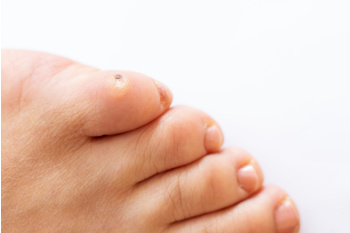
Corns on the feet are thickened areas of skin caused by friction or pressure. They typically form on toes or on the soles, resulting from wearing ill-fitting shoes, high heels, or having abnormal foot structure. These hardened patches can be uncomfortable or painful, making walking difficult. While generally not serious, untreated corns can lead to complications like infections or ulcers, especially for those with diabetes or poor circulation. Podiatrists specialize in diagnosing and treating foot conditions, including corns. They can safely remove corns, offer advice on footwear, and address underlying issues contributing to their development. If you have persistent corns, it is suggested that you schedule an appointment with a podiatrist to ensure proper care and reduce risk of complications.
If you have any concerns regarding your feet and ankles, contact one of our podiatrists of Foothill Podiatry Clinic. Our doctors will treat your foot and ankle needs.
Corns: What Are They? and How Do You Get Rid of Them?
Corns can be described as areas of the skin that have thickened to the point of becoming painful or irritating. They are often layers and layers of the skin that have become dry and rough, and are normally smaller than calluses.
Ways to Prevent Corns
There are many ways to get rid of painful corns such as wearing:
Treating Corns
Treatment of corns involves removing the dead skin that has built up in the specific area of the foot. Consult with Our doctors to determine the best treatment option for your case of corns.
If you have any questions please feel free to contact our office located in Grass Valley, CA . We offer the newest diagnostic and treatment technologies for all your foot and ankle needs.
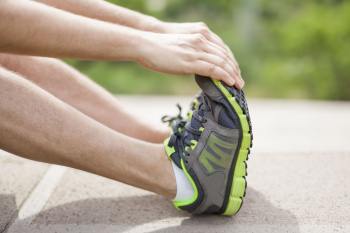
In the pursuit of their passion, runners understand the importance of injury prevention through targeted stretching routines. Among the essential stretches for runners are calf stretches, which involve gently leaning forward against a wall to elongate the calf muscles and Achilles tendon. Another effective stretch is the quadriceps stretch, achieved by standing on one leg and pulling the opposite foot toward the glutes, helping to alleviate tension in the front thigh muscles. Hamstring stretches, performed while sitting or standing, aid in maintaining flexibility and reducing strain on the back of the thighs. Runners also benefit from incorporating dynamic stretches into their warm-up routines, such as leg swings and high knees, to increase blood flow and prepare the muscles for activity. By incorporating these stretches into their regimen, runners can help prevent injuries that may affect their feet. If you are interested in learning about additional stretches that can help prevent injuries, it is suggested that you consult a podiatrist.
All runners should take extra precaution when trying to avoid injury. If you have any concerns about your feet, contact one of our podiatrists of Foothill Podiatry Clinic. Our doctors will treat your foot and ankle needs.
How to Prevent Running Injuries
There are a lot of mistakes a runner can make prior to a workout that can induce injury. A lot of athletes tend to overstretch before running, instead of saving those workouts for a post-run routine. Deep lunges and hand-to-toe hamstring pulls should be performed after a workout instead of during a warmup. Another common mistake is jumping into an intense routine before your body is physically prepared for it. You should try to ease your way into long-distance running instead of forcing yourself to rush into it.
More Tips for Preventing Injury
If you have any questions, please feel free to contact our office located in Grass Valley, CA . We offer the newest diagnostic and treatment technologies for all your foot care needs.
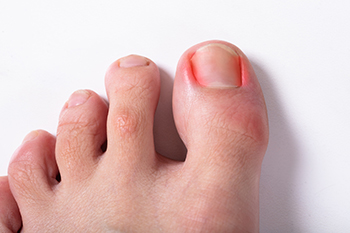 Ingrown toenails are a common and often painful foot condition that occurs when the edge of a toenail grows into the surrounding skin. Redness, swelling, and tenderness often accompany an ingrown toenail, which can cause discomfort when walking. The big toe is the most common site for ingrown toenails to appear. Possible causes include improper nail trimming, wearing tight shoes, or sustaining foot injuries. People with naturally curved or thick nails can be more prone to ingrown toenails. Conservative treatments for an ingrown toenail include warm foot soaks and proper nail care, while surgical approaches may be used in more severe cases. Podiatrists specialize in treating ingrown toenails. If you are suffering from an ingrown toenail, it is suggested you make an appointment with this type of doctor who offers treatment options.
Ingrown toenails can become painful if they are not treated properly. For more information about ingrown toenails, contact one of our podiatrists of Foothill Podiatry Clinic. Our doctors can provide the care you need to keep you pain-free and on your feet.
Ingrown Toenails
Ingrown toenails occur when a toenail grows sideways into the bed of the nail, causing pain, swelling, and possibly infection.
Causes
Prevention
Because ingrown toenails are not something found outside of shoe-wearing cultures, going barefoot as often as possible will decrease the likeliness of developing ingrown toenails. Wearing proper fitting shoes and using proper cutting techniques will also help decrease your risk of developing ingrown toenails.
Treatment
Ingrown toenails are a very treatable foot condition. In minor cases, soaking the affected area in salt or antibacterial soaps will not only help with the ingrown nail itself, but also help prevent any infections from occurring. In more severe cases, surgery is an option. In either case, speaking to your podiatrist about this condition will help you get a better understanding of specific treatment options that are right for you.
If you have any questions please feel free to contact our office located in Grass Valley, CA . We offer the newest diagnostic and treatment technologies for all your foot and ankle needs.

Custom orthotics, or shoe inserts, should be periodically replaced. Orthotics must fit properly to give you the best results. Protect your feet and ankles!





 accessibility - Default