
Dr. Kennan T. Runte, DPM, FACFAS
Dr. Panah Nabili, DPM

152 Catherine Lane, Suite F
Grass Valley, CA 95945

Blog

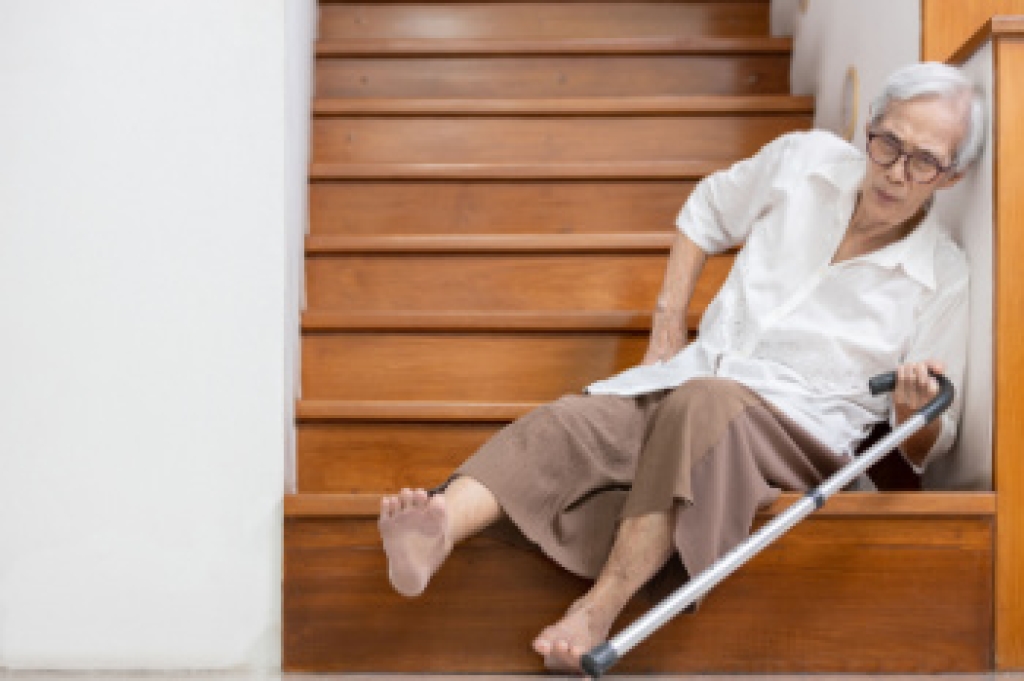
How Osteoarthritis Increases Fall Risk

Osteoarthritis can increase the risk of falling due to joint damage, stiffness, and reduced function that affect balance and mobility. As cartilage wears down, pain and a limited range of motion make walking and standing less stable. Poor mobility and weakened muscles can further contribute to instability, especially on uneven surfaces. Certain medications may also cause dizziness or affect coordination. Preventing falls involves creating a safer home by removing hazards, improving lighting, and using supportive footwear. Regular exercise can strengthen muscles and improve balance, while reviewing medications with a healthcare provider can reduce side effects. A podiatrist can assess gait, recommend proper footwear, and provide custom orthotics to enhance stability. If you have fallen or fear falling, it is suggested that you consult a podiatrist who can offer additional effective fall prevention tips.

Preventing falls among the elderly is very important. If you are older and have fallen or fear that you are prone to falling, consult with one of our podiatrists from Foothill Podiatry Clinic. Our doctors will assess your condition and provide you with quality advice and care.

Every 11 seconds, an elderly American is being treated in an emergency room for a fall related injury. Falls are the leading cause of head and hip injuries for those 65 and older. Due to decreases in strength, balance, senses, and lack of awareness, elderly persons are very susceptible to falling. Thankfully, there are a number of things older persons can do to prevent falls.

How to Prevent Falls

Some effective methods that older persons can do to prevent falls include:

  • Enrolling in strength and balance exercise program to increase balance and strength
  • Periodically having your sight and hearing checked
  • Discuss any medications you have with a doctor to see if it increases the risk of falling
  • Clearing the house of falling hazards and installing devices like grab bars and railings
  • Utilizing a walker or cane
  • Wearing shoes that provide good support and cushioning
  • Talking to family members about falling and increasing awareness

Falling can be a traumatic and embarrassing experience for elderly persons; this can make them less willing to leave the house, and less willing to talk to someone about their fears of falling. Doing such things, however, will increase the likelihood of tripping or losing one’s balance. Knowing the causes of falling and how to prevent them is the best way to mitigate the risk of serious injury.  

If you have any questions, please feel free to contact our office located in Grass Valley, CA . We offer the newest diagnostic and treatment technologies for all your foot care needs.

Read more about Falls Prevention

Why the Right Shoe for Your Activity Matters

Finding the right shoe for walking or running is important for protecting the feet and supporting proper movement. Walking and running place different levels of stress on the feet, so each activity requires a specific type of shoe. Walking shoes are often more flexible, allowing the foot to roll forward smoothly. Running shoes are usually lighter, with thicker cushioning to absorb repeated impact. A poor shoe choice can place extra strain on the heel, arch, and ankle, which may lead to pain or injury during or after activity. Proper fit is also important, as shoes that are too tight or too loose can affect balance and pressure distribution. A podiatrist can examine foot structure, analyze walking or running patterns, and recommend appropriate footwear or custom orthotics to improve comfort and function. If you have foot pain after walking or running, it is suggested that you schedule an appointment with a podiatrist for a diagnosis and appropriate treatment.

If you are a runner, wearing the right running shoe is essential. For more information, contact one of our podiatrists from Foothill Podiatry Clinic. Our doctors can provide the care you need to keep you pain-free and on your feet.

Choosing the Right Running Shoe for Your Foot Type

To increase performance and avoid the risk of injury, it is important to choose the right running shoe based on your foot type. The general design of running shoes revolves around pronation, which is how the ankle rolls from outside to inside when the foot strikes the ground.

  • Neutral runners are able to choose from a wide variety of shoes, including minimalist shoes or even going barefoot.
  • Runners who overpronate, or experience an over-abundance of ankle rolling, should choose shoes that provide extra motion control and stability.
  • Runners who underpronate, or supinate, have feet that have high arches and lack flexibility, preventing shock absorption. They require shoes with more flexibility and cushion.

If you have any questions, please feel free to contact our office located in Grass Valley, CA . We offer the newest diagnostic and treatment technologies for all your foot care needs.
Read more about Choosing the Right Running Shoe for Your Foot Type

Heel Pain May Indicate Plantar Fasciitis

Plantar fasciitis is a common foot condition that involves inflammation of the plantar fascia, the thick band of tissue that supports the arch and connects the heel to the toes. It affects approximately one person in ten and is a leading cause of heel pain. Causes involve repetitive strain, prolonged standing, and wearing improper footwear. Risk factors include high or low arches, obesity, and tight calf muscles. A key symptom is sharp heel pain, especially with the first steps in the morning, or after rest. A podiatrist can diagnose the condition, provide custom treatment plans, and recommend supportive therapies. If you have heel pain, it is suggested that you promptly consult a podiatrist who can accurately diagnose and treat plantar fasciitis.

Plantar fasciitis is a common foot condition that is often caused by a strain injury. If you are experiencing heel pain or symptoms of plantar fasciitis, contact one of our podiatrists from Foothill Podiatry Clinic. Our doctors can provide the care you need to keep you pain-free and on your feet.

What Is Plantar Fasciitis?

Plantar fasciitis is one of the most common causes of heel pain. The plantar fascia is a ligament that connects your heel to the front of your foot. When this ligament becomes inflamed, plantar fasciitis is the result. If you have plantar fasciitis you will have a stabbing pain that usually occurs with your first steps in the morning. As the day progresses and you walk around more, this pain will start to disappear, but it will return after long periods of standing or sitting.

What Causes Plantar Fasciitis?

  • Excessive running
  • Having high arches in your feet
  • Other foot issues such as flat feet
  • Pregnancy (due to the sudden weight gain)
  • Being on your feet very often

There are some risk factors that may make you more likely to develop plantar fasciitis compared to others. The condition most commonly affects adults between the ages of 40 and 60. It also tends to affect people who are obese because the extra pounds result in extra stress being placed on the plantar fascia.

Prevention

  • Take good care of your feet – Wear shoes that have good arch support and heel cushioning.
  • Maintain a healthy weight
  • If you are a runner, alternate running with other sports that won’t cause heel pain

There are a variety of treatment options available for plantar fasciitis along with the pain that accompanies it. Additionally, physical therapy is a very important component in the treatment process. It is important that you meet with your podiatrist to determine which treatment option is best for you.

If you have any questions, please feel free to contact our office located in Grass Valley, CA . We offer the newest diagnostic and treatment technologies for all your foot care needs.

 

Read more about Plantar Fasciitis

Ingrown Toenail Facts

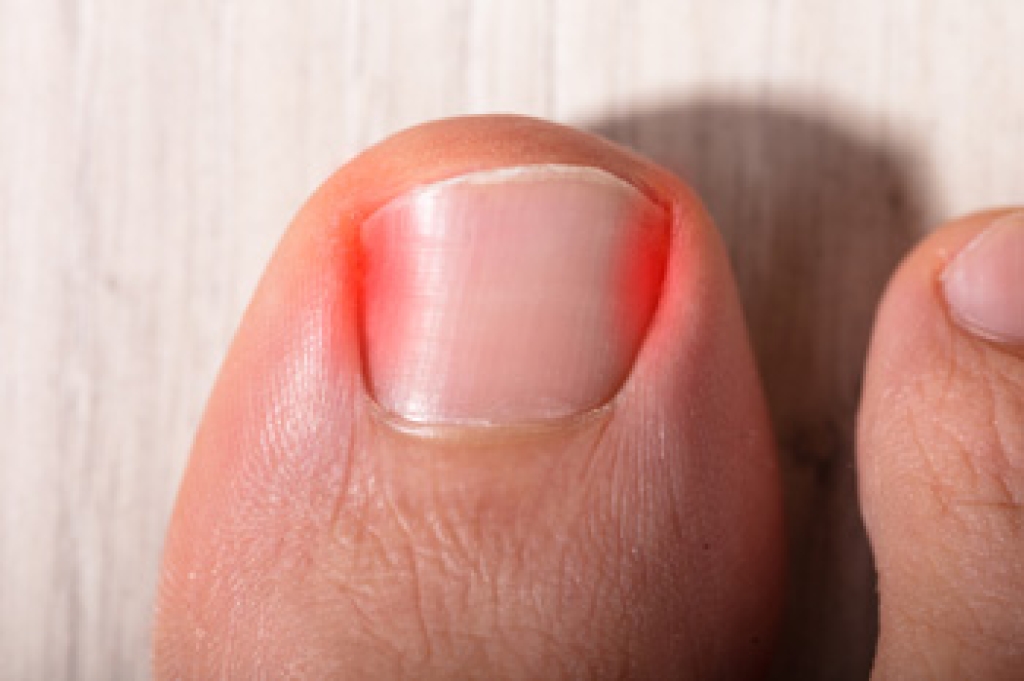
An ingrown toenail occurs when the edge of a toenail grows into the surrounding skin, leading to pain and inflammation. This condition is often caused by improper nail trimming, toe injuries, genetic factors, or repetitive foot stress from activities like running or wearing tight shoes. Risk factors include curved nails, poor foot hygiene, and excessive pressure on the toes. Symptoms include pain along the nail edge, redness, swelling, and sometimes infection with drainage. Without proper care, an ingrown toenail can worsen and make walking uncomfortable. A podiatrist can safely treat ingrown toenails by relieving pressure, removing the affected portion of the nail, and preventing recurrence through proper care techniques. If you have symptoms of an ingrown toenail, it is suggested that you consult a podiatrist for treatment solutions, which may include minor surgery.

Ingrown toenails can become painful if they are not treated properly. For more information about ingrown toenails, contact one of our podiatrists of Foothill Podiatry Clinic. Our doctors can provide the care you need to keep you pain-free and on your feet.

Ingrown Toenails

Ingrown toenails occur when a toenail grows sideways into the bed of the nail, causing pain, swelling, and possibly infection.

Causes

  • Bacterial infections
  • Improper nail cutting such as cutting it too short or not straight across
  • Trauma to the toe, such as stubbing, which causes the nail to grow back irregularly
  • Ill-fitting shoes that bunch the toes too close together
  • Genetic predisposition

Prevention

Wearing proper fitting shoes and using proper cutting techniques will also help decrease your risk of developing ingrown toenails.

Treatment

Ingrown toenails are a very treatable foot condition. In minor cases, soaking the affected area in salt or antibacterial soaps will not only help with the ingrown nail itself, but also help prevent any infections from occurring. In more severe cases, surgery is an option. In either case, speaking to your podiatrist about this condition will help you get a better understanding of specific treatment options that are right for you.

If you have any questions, please feel free to contact our office located in Grass Valley, CA . We offer the newest diagnostic and treatment technologies for all your foot care needs.

Read more about Ingrown Toenail Care

Get Proper Treatment for Ankle Injuries

If you're experiencing ankle pain, you may be suffering from an ankle injury. Sprains, fractures, Achilles tendonitis, and Achilles tendon ruptures are just some examples of potential ankle injuries. Don't wait for care for an ankle injury, as it may worsen over time. We can help!

Connect with us

Our Recent Podiatry Articles

American College of Foot and Ankle Surgeons