
Dr. Kennan T. Runte, DPM, FACFAS
Dr. Panah Nabili, DPM

152 Catherine Lane, Suite F
Grass Valley, CA 95945

Blog

Treating Achilles Tendon Injuries

The Achilles tendon is a strong band of tissue that connects the calf muscles to the heel bone. It plays an important role in walking, running, jumping, and pushing off the foot. Because it absorbs significant force during movement, it is vulnerable to injury. Achilles tendon injuries often develop from repetitive stress, overuse, or sudden increases in physical activity. Athletes who participate in sports that involve running, quick stops, and rapid changes in direction may face a higher risk. Common symptoms include pain along the back of the ankle, stiffness, swelling, and discomfort that worsens during movement. In some cases, the tendon may weaken over time, increasing the risk of more serious injury.


Achilles tendon injuries can range from irritation and inflammation to degeneration of the tendon fibers. More severe cases may involve a partial or complete tear. A tendon tear often occurs during a sudden movement, such as sprinting, pivoting, or abruptly changing direction. Some people report hearing or feeling a pop when the injury occurs, followed by significant pain and difficulty walking. Early evaluation is important because untreated tendon problems can affect mobility and make everyday activities more challenging. A comprehensive examination helps determine the extent of the injury and guides the most appropriate treatment plan.


A podiatrist specializes in diagnosing and treating conditions that affect the feet and ankles, including Achilles tendon injuries. Treatment recommendations vary depending on the severity of the condition and may focus on reducing stress on the tendon, supporting healing, and restoring normal function. Prompt podiatric care can help prevent further damage and improve long-term outcomes. Identifying and addressing Achilles tendon injuries early is often key to maintaining an active lifestyle and avoiding complications. If you are experiencing Achilles tendon pain, stiffness, swelling, or difficulty walking, it is suggested that you consult a podiatrist for an evaluation and appropriate treatment options.

Achilles tendon injuries need immediate attention to avoid future complications. If you have any concerns, contact one of our podiatrists of Foothill Podiatry Clinic. Our doctors can provide the care you need to keep you pain-free and on your feet.

What Is the Achilles Tendon?

The Achilles tendon is a tendon that connects the lower leg muscles and calf to the heel of the foot. It is the strongest tendon in the human body and is essential for making movement possible. Because this tendon is such an integral part of the body, any injuries to it can create immense difficulties and should immediately be presented to a doctor.

What Are the Symptoms of an Achilles Tendon Injury?

There are various types of injuries that can affect the Achilles tendon. The two most common injuries are Achilles tendinitis and ruptures of the tendon.

Achilles Tendinitis Symptoms

  • Inflammation
  • Dull to severe pain
  • Increased blood flow to the tendon
  • Thickening of the tendon

Rupture Symptoms

  • Extreme pain and swelling in the foot
  • Total immobility

Treatment and Prevention

Achilles tendon injuries are diagnosed by a thorough physical evaluation, which can include an MRI. Treatment involves rest, physical therapy, and in some cases, surgery. However, various preventative measures can be taken to avoid these injuries, such as:

  • Thorough stretching of the tendon before and after exercise
  • Strengthening exercises like calf raises, squats, leg curls, leg extensions, leg raises, lunges, and leg presses

If you have any questions please feel free to contact our office located in Grass Valley, CA . We offer the newest diagnostic tools and technology to treat your foot and ankle needs.
Read more about The Causes, Types, and Treatments of Achilles Tendon Injuries

When a Toenail Injury Leads to Fungal Infection

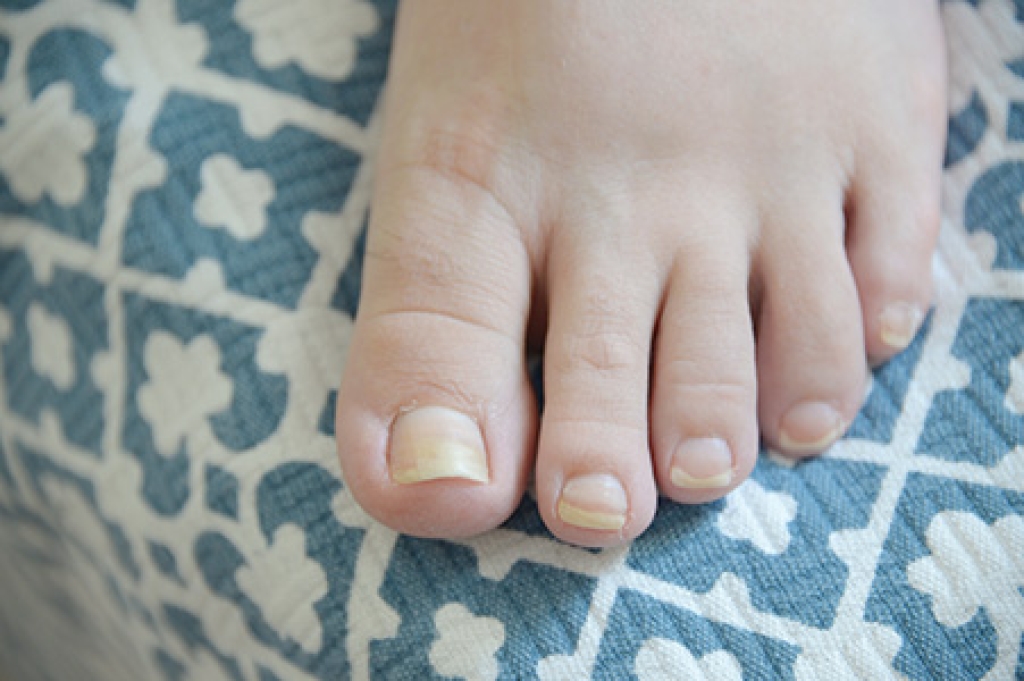
A fungal nail infection affecting only one toe can sometimes develop after an injury rather than from typical exposure alone. Trauma to the toenail, such as stubbing the toe, repetitive pressure from sports, or damage from wearing tight footwear, can weaken the nail and create an opening for fungal organisms to grow. The nail may become thickened, discolored, brittle, misshapen, or begin lifting from the nail bed. Because only one nail is involved, some people assume the problem will resolve on its own or mistake it for lingering injury changes. A podiatrist can determine whether the nail changes are due to infection, trauma, or another condition that looks similar. Treatment may include targeted therapies based on the severity and extent of involvement. Early evaluation can improve treatment success and help prevent spread to other nails. If you have persistent nail changes after toe trauma, it is suggested that you visit a podiatrist for an assessment and appropriate treatment.

For more information about treatment, contact one of our podiatrists of Foothill Podiatry Clinic. Our doctors can provide the care you need to keep you pain-free and on your feet.

Toenail Fungus Treatment

Toenail fungus is a condition that affects many people and can be especially hard to get rid of. Fortunately, there are several methods to go about treating and avoiding it.

Antifungals & Deterrence

Oral antifungal medicine has been shown to be effective in many cases. It is important to consult with a podiatrist to determine the proper regiment for you, or potentially explore other options.

Applying foot powder on the feet and shoes helps keep the feet free of moisture and sweat.

Sandals or open toed shoes – Wearing these will allow air movement and help keep feet dry. They also expose your feet to light, which fungus cannot tolerate. Socks with moisture wicking material also help as well.

If you have any questions please contact our office located in Grass Valley, CA . We offer the newest diagnostic and treatment technologies for all your foot and ankle needs.

Read more about Toenail Fungus

Common Toenail Problems in Older Adults

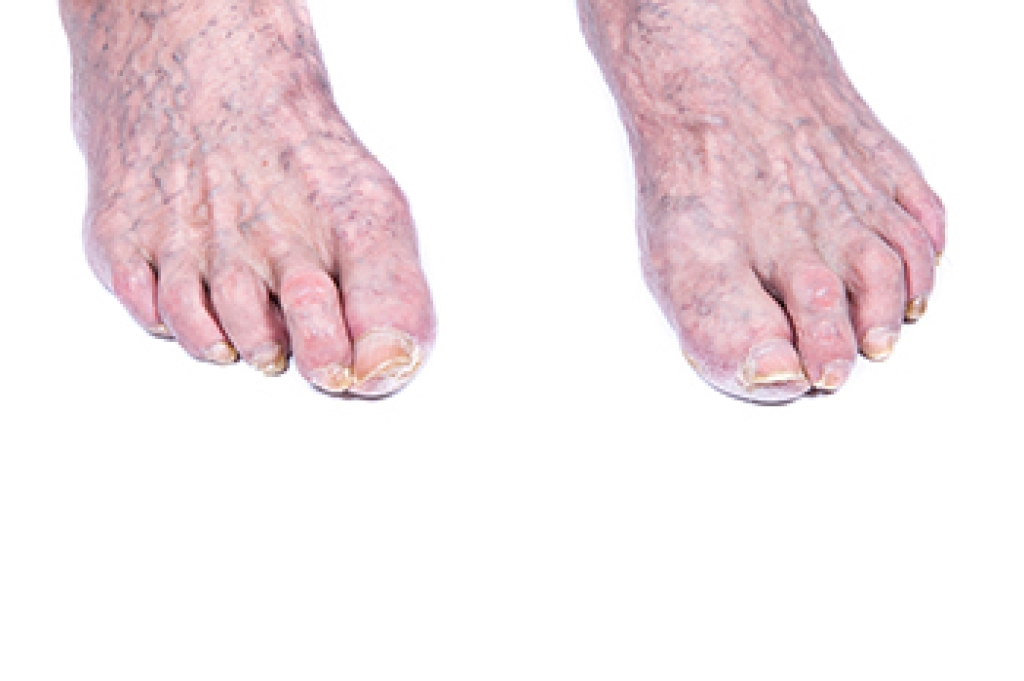
Toenail changes become more common with age due to slower nail growth, reduced circulation, repeated pressure, and underlying health conditions. Thickened nails are frequently seen and may become difficult to trim, uncomfortable in shoes, or more prone to cracking. Fungal infections can cause discoloration, brittleness, and changes in nail shape. Ingrown toenails may develop when nail edges press into surrounding skin, leading to pain, swelling, or infection. Some older adults experience curved or overgrown nails that become harder to manage safely at home. Trauma from shoe pressure or minor injuries may also lead to darkened nails or separation from the nail bed. A podiatrist can evaluate nail changes, identify underlying causes, and provide safe treatment, especially when circulation problems or diabetes are present. If toenails become painful, thick, discolored, or difficult to care for, it is strongly suggested that you visit a podiatrist for an evaluation and appropriate treatment.

If you need your feet checked, contact one of our podiatrists of Foothill Podiatry Clinic. Our doctors will attend to all of your foot and ankle needs and provide you with quality treatment.

Geriatrics and Podiatry
When people age, some common issues that may occur are bone density loss, dry skin, poor circulation, and rough brittle nails. These issues may also affect your foot health if the necessary steps are not taken to alleviate the problems.

It is important to take care of your feet because feet that are injured or diseased can affect your overall health. Having painful feet hinders your ability to do daily activities or may decrease your willingness to do the things that you need to do.

Visiting Your Geriatrician
As we age, health problems become more likely, so it is essential to visit your doctor for check-ups to ensure that you are doing the best you can to take care of your health. It is recommended to check your feet frequently for any possible cuts, bruises, swelling, corns or any other irregularities. 

Taking Care of Elderly Feet
Cracked or dry feet can be treated by applying moisturizer often. It is also important not to wear old socks because the older the sock is, the higher the possibility there will be that there is bacteria there. Wear fresh socks and make sure they fit properly.

Proper foot health means that you can have a more active lifestyle and you will not be bogged down by pain. Foot health also leads to good circulation, which is paramount for overall health.

If you have any questions, please feel free to contact our office located in Grass Valley, CA . We offer the newest diagnostic and treatment technologies for all your foot care needs.

Read more about Geriatrics and Podiatry

Understanding Psoriatic Arthritis in the Foot

Psoriatic arthritis in the foot is an inflammatory condition linked to psoriasis that affects joints and surrounding tissues. It often appears with pain, tenderness, and swelling, especially in the toes and heel. Some people notice sausage like swelling of digits or thickened nails. The condition develops when the immune system mistakenly attacks healthy tissue, leading to joint damage over time. Triggers may include stress, injury, infection, or genetic factors. Symptoms can come and go in flares that vary in intensity. A podiatrist can evaluate joint changes, provide imaging, guide medication plans, and recommend supportive devices to improve function and reduce pain. Early diagnosis helps prevent deformity and long-term mobility problems in daily life. If you have this foot condition, It is suggested that you consult a podiatrist who can offer effective relief and management tips.

Arthritis can be a difficult condition to live with. If you are seeking treatment, contact one of our podiatrists from Foothill Podiatry Clinic. Our doctors can provide the care you need to keep you pain-free and on your feet.

Arthritic Foot Care  

Arthritis is a term that is commonly used to describe joint pain.  The condition itself can occur to anyone of any age, race, or gender, and there are over 100 types of it.  Nevertheless, arthritis is more commonly found in women compared to men, and it is also more prevalent in those who are overweight. The causes of arthritis vary depending on which type of arthritis you have. Osteoarthritis for example, is often caused by injury, while rheumatoid arthritis is caused by a misdirected immune system.

Symptoms

  • Swelling
  • Pain
  • Stiffness
  • Decreased Range of Motion

Arthritic symptoms range in severity, and they may come and go. Some symptoms stay the same for several years but could potentially get worse with time. Severe cases of arthritis can prevent its sufferers from performing daily activities and make walking difficult.

Risk Factors

  • Occupation – Occupations requiring repetitive knee movements have been linked to osteoarthritis
  • Obesity – Excess weight can contribute to osteoarthritis development
  • Infection – Microbial agents can infect the joints and trigger arthritis
  • Joint Injuries – Damage to joints may lead to osteoarthritis
  • Age – Risk increases with age
  • Gender –Most types are more common in women
  • Genetics – Arthritis can be hereditary

If you suspect your arthritis is affecting your feet, it is crucial that you see a podiatrist immediately. Your doctor will be able to address your specific case and help you decide which treatment method is best for you.

If you have any questions please feel free to contact our office located in Grass Valley, CA . We offer the newest diagnostic tools and technology to treat your foot and ankle needs.

Read more about How to Care for Your Arthritic Foot

How Bunions Form and Progress

A bunion is a foot deformity that affects the joint at the base of the big toe, causing it to shift out of proper alignment and form a visible bump along the side of the foot. This condition usually develops as the big toe leans toward the neighboring toes. It may cause discomfort, swelling, and limited movement, especially during walking or when wearing tight shoes. Contributing factors include genetics, poorly fitting footwear, and past injuries that weaken the joint. People with flat feet, arthritis, or jobs that involve long periods of standing may have a higher risk. A podiatrist can evaluate the condition, relieve pain, and recommend treatment to improve function and alignment. If you have developed a bunion, it is suggested that you consult a podiatrist treatment options.

If you are suffering from bunions, contact one of our podiatrists of Foothill Podiatry Clinic. Our doctors can provide the care you need to keep you pain-free and on your feet.

What Is a Bunion?

A bunion is formed of swollen tissue or an enlargement of boney growth, usually located at the base joint of the toe that connects to the foot. The swelling occurs due to the bones in the big toe shifting inward, which impacts the other toes of the foot. This causes the area around the base of the big toe to become inflamed and painful.

Why Do Bunions Form?

Genetics – Susceptibility to bunions are often hereditary

Stress on the feet – Poorly fitted and uncomfortable footwear that places stress on feet, such as heels, can worsen existing bunions

How Are Bunions Diagnosed?

Podiatrists often perform two tests – blood tests and x-rays – when trying to diagnose bunions, especially in the early stages of development. Blood tests help determine if the foot pain is being caused by something else, such as arthritis, while x-rays provide a clear picture of your bone structure to your provider.

How Are Bunions Treated?

  • Refrain from wearing heels or similar shoes that cause discomfort
  • Select wider shoes that can provide more comfort and reduce pain
  • Anti-inflammatory and pain management drugs
  • Orthotics or foot inserts
  • Surgery

If you have any questions, please feel free to contact our office located in Grass Valley, CA . We offer the newest diagnostic and treatment technologies for all your foot care needs.

Read more about Bunions
Connect with us

Our Recent Podiatry Articles

American College of Foot and Ankle Surgeons