
Neuropathy is a condition that can lead to numbness or loss of sensation in the feet, but it can also cause pain. This condition is more likely to develop for those who are diabetic, obese, or with high blood pressure.

Dr. Kennan T. Runte, DPM, FACFAS
Dr. Panah Nabili, DPM
Neuropathy is a condition that can lead to numbness or loss of sensation in the feet, but it can also cause pain. This condition is more likely to develop for those who are diabetic, obese, or with high blood pressure.
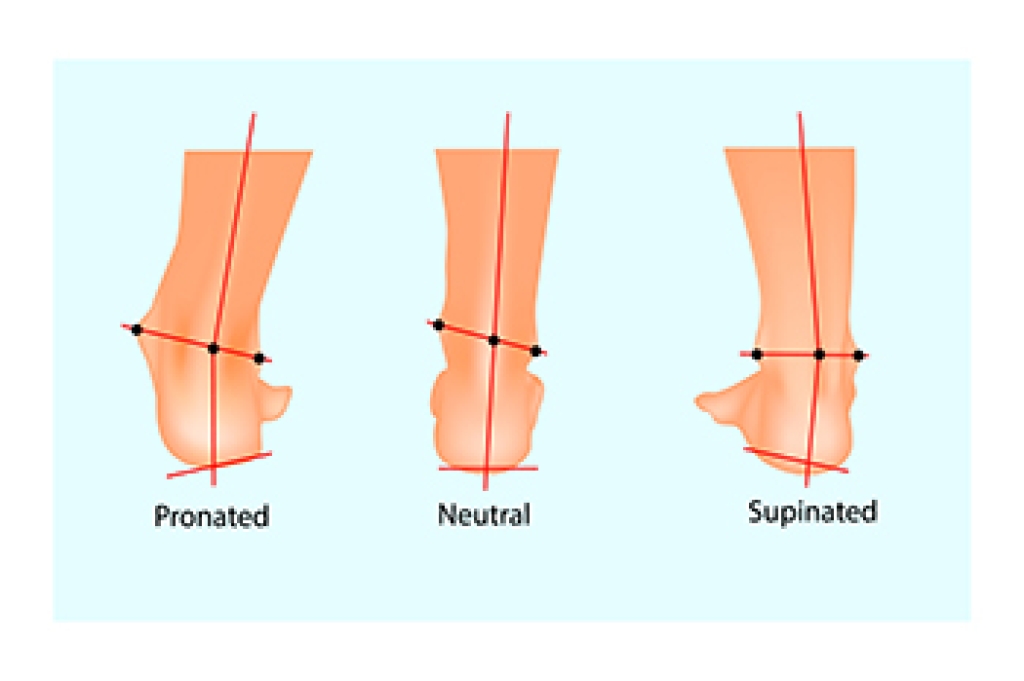
Pronation and supination describe the direction the foot rolls while walking or running. Pronation occurs when the foot rolls inward and weight shifts toward the inside of the foot. Supination occurs when the foot rolls outward and weight shifts toward the outside. A small amount of each motion is part of a normal step. Pronation helps the foot absorb shock after the heel reaches the ground. Supination makes the foot firmer as it pushes the body forward. When either motion becomes excessive, pressure can build in certain areas and affect the way a person moves.
These movement patterns can affect more than the feet. Overpronation can place added strain on the arches, heels, and ankles. It can also contribute to discomfort in the knees. Excess supination reduces the foot’s ability to absorb shock and can increase pressure on the outer edge. This can lead to ankle instability, heel pain, or pain in the ball of the foot. Uneven wear on the inner or outer edges of shoe soles can provide a clue. High arches, flat feet, and differences in leg length can influence foot movement. Injuries and repeated stress can also change a person’s gait.
A podiatrist can examine the feet and study how a patient stands and walks. This gait evaluation shows where pressure builds and whether the ankles or knees move out of alignment. The podiatrist can also check joint motion, muscle strength, and shoe-wear patterns. Imaging tests can identify an injury when the examination raises concern. Treatment focuses on improving balance and reducing harmful pressure. A podiatrist can recommend properly fitted shoes with suitable cushioning or stability. Custom orthotics can guide the feet into a better position and distribute weight more evenly. Follow-up visits allow the podiatrist to track changes and adjust treatment. If you have foot or ankle pain while walking or running, it is suggested that you schedule an appointment with a podiatrist for a diagnosis and appropriate treatment.
If you have any concerns about your feet, contact one of our podiatrists from Foothill Podiatry Clinic. Our doctors can provide the care you need to keep you pain-free and on your feet.
Biomechanics in Podiatry
Podiatric biomechanics is a particular sector of specialty podiatry with licensed practitioners who are trained to diagnose and treat conditions affecting the foot, ankle and lower leg. Biomechanics deals with the forces that act against the body, causing an interference with the biological structures. It focuses on the movement of the ankle, the foot and the forces that interact with them.
A History of Biomechanics
Modern technological improvements are based on past theories and therapeutic processes that provide a better understanding of podiatric concepts for biomechanics. Computers can provide accurate information about the forces and patterns of the feet and lower legs.
Understanding biomechanics of the feet can help improve and eliminate pain, stopping further stress to the foot.
If you have any questions please feel free to contact our office located in Grass Valley, CA . We offer the newest diagnostic and treatment technologies for all your foot and ankle needs.
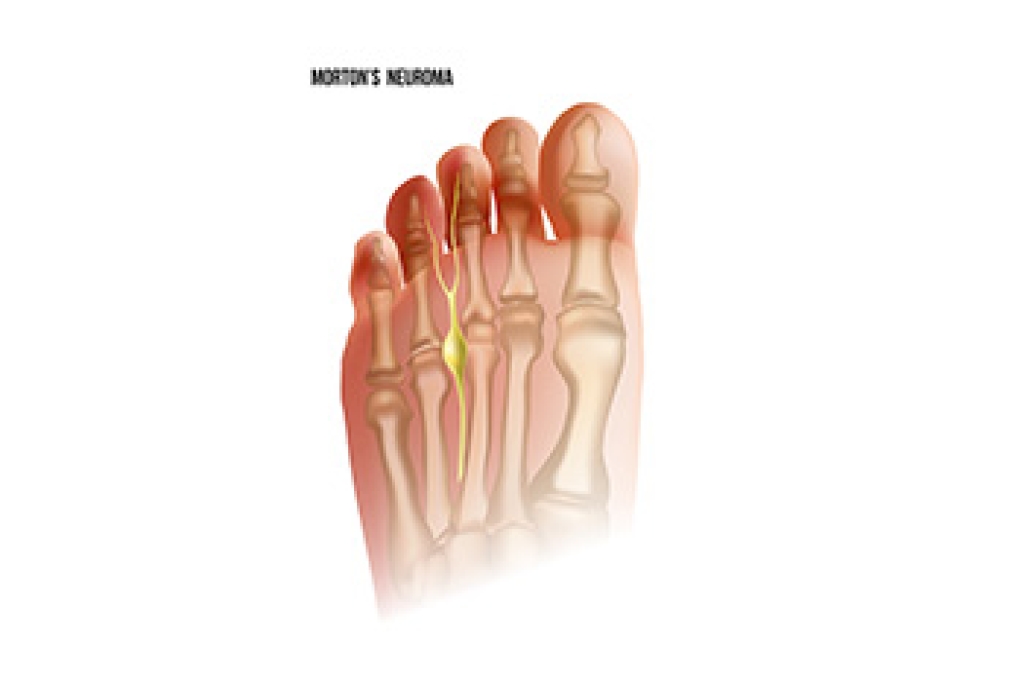
Morton’s neuroma is a common nerve-related foot condition that causes pain in the ball of the foot. It occurs when tissue surrounding a nerve becomes thickened and irritated, creating pressure on the affected nerve. The condition most often develops between the third and fourth toes, although symptoms can vary between individuals. Understanding how Morton’s neuroma develops can help identify warning signs and support early treatment.
The symptoms of Morton’s neuroma may include burning sensations, sharp pain, tingling, and numbness in the forefoot. Many people describe the discomfort as feeling like there is a small object trapped inside their shoe. Pain is typically located beneath the ball of the foot and may extend into the toes. Symptoms often become more noticeable during walking, running, or when wearing shoes that squeeze the front of the foot.
Risk factors for Morton’s neuroma include footwear choices, activity levels, and existing foot structure concerns. Wearing high heels and narrow shoes can force the toes together, increasing pressure on the nerves. Athletes who participate in running or jumping activities may also experience repeated stress in the forefoot. Other risk factors include flat feet, high arches, bunions, and hammertoes, which can change the way pressure is distributed across the foot.
Preventing worsening symptoms involves reducing irritation and supporting proper foot mechanics. Choosing comfortable shoes with enough room for the toes can help decrease pressure on the nerve. Addressing foot alignment concerns early may also improve comfort and mobility. Morton’s neuroma can be painful and may cause difficulty in completing daily activities. If you have pain in this part of your foot, it is suggested that you consult a podiatrist who can accurately diagnose and treat Morton’s neuroma.
Morton’s neuroma is a very uncomfortable condition to live with. If you think you have Morton’s neuroma, contact one of our podiatrists of Foothill Podiatry Clinic. Our doctors will attend to all of your foot care needs and answer any of your related questions.
Morton’s Neuroma
Morton's neuroma is a painful foot condition that commonly affects the areas between the second and third or third and fourth toe, although other areas of the foot are also susceptible. Morton’s neuroma is caused by an inflamed nerve in the foot that is being squeezed and aggravated by surrounding bones.
What Increases the Chances of Having Morton’s Neuroma?
Morton’s neuroma is a very treatable condition. Orthotics and shoe inserts can often be used to alleviate the pain on the forefront of the feet. In more severe cases, corticosteroids can also be prescribed. In order to figure out the best treatment for your neuroma, it’s recommended to seek the care of a podiatrist who can diagnose your condition and provide different treatment options.
If you have any questions, please feel free to contact our office located in Grass Valley, CA . We offer the newest diagnostic and treatment technologies for all your foot care needs.
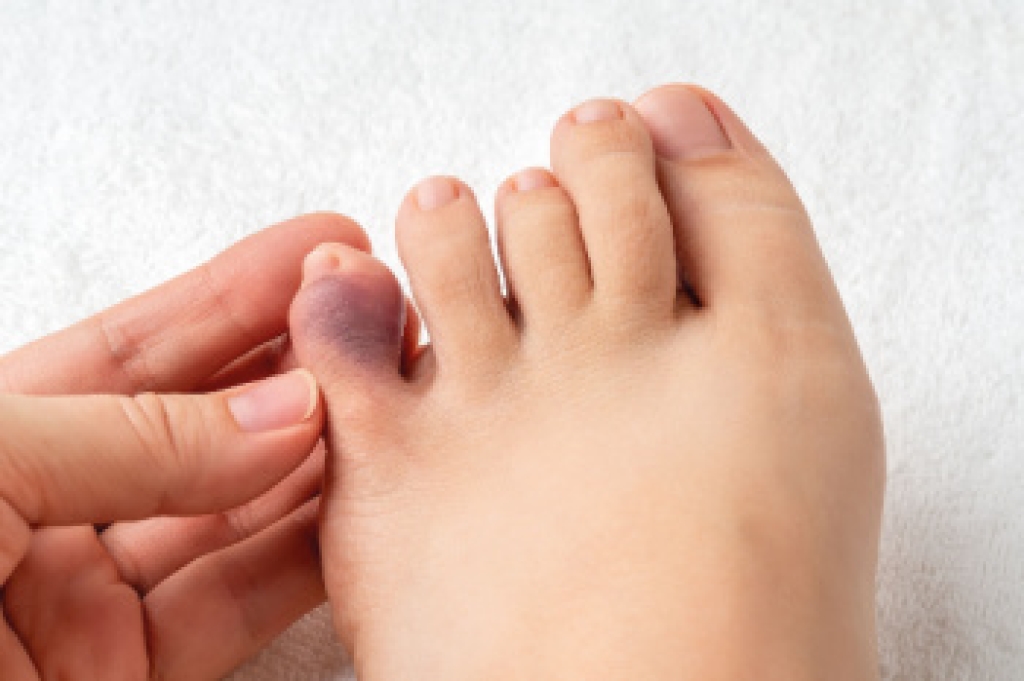
A broken pinky toe is a common foot injury that involves a fracture in the smallest toe. Despite its size, the pinky toe plays an important role in balance and weight distribution when walking. A fracture can occur from direct trauma or sudden impact and may range from a small crack to a more severe break. Because this injury can affect daily movement, understanding its definition and causes helps support timely care and proper healing.
Symptoms of a broken pinky toe often appear quickly after injury. Pain is usually immediate and may worsen with pressure or walking. Swelling and bruising are common, and the skin around the toe may appear discolored. In some cases, the toe may look crooked or out of alignment, which can indicate a more serious fracture. Tenderness to touch and difficulty wearing shoes are also frequent signs. These symptoms may limit mobility and should not be ignored.
The most common causes of a broken pinky toe involve accidental impact. Dropping a heavy object on the foot can create enough force to fracture the bone. Stubbing the toe against furniture or walls is another frequent cause. Kicking a hard object, whether during sports or daily activity, can also lead to injury. These incidents often occur unexpectedly and may result in immediate pain and visible changes in the toe.
Risk factors for this injury include engaging in physical activities without protective footwear, walking barefoot in unsafe environments, and having reduced awareness of surroundings. Individuals with weakened bones or balance issues may also face higher risk. Prompt attention can help prevent complications and support proper alignment during healing. If you have a broken pinky toe, it is suggested that you consult a podiatrist for effective treatment solutions.
A broken toe can be very painful and lead to complications if not properly fixed. If you have any concerns about your feet, contact one of our podiatrists from Foothill Podiatry Clinic. Our doctors will treat your foot and ankle needs.
What to Know About a Broken Toe
Although most people try to avoid foot trauma such as banging, stubbing, or dropping heavy objects on their feet, the unfortunate fact is that it is a common occurrence. Given the fact that toes are positioned in front of the feet, they typically sustain the brunt of such trauma. When trauma occurs to a toe, the result can be a painful break (fracture).
Symptoms of a Broken Toe
Generally, it is best to stay off of the injured toe with the affected foot elevated.
Severe toe fractures may be treated with a splint, cast, and in some cases, minor surgery. Due to its position and the pressure it endures with daily activity, future complications can occur if the big toe is not properly treated.
If you have any questions, please feel free to contact our office located in Grass Valley, CA . We offer the newest diagnostic and treatment technologies for all your foot care needs.
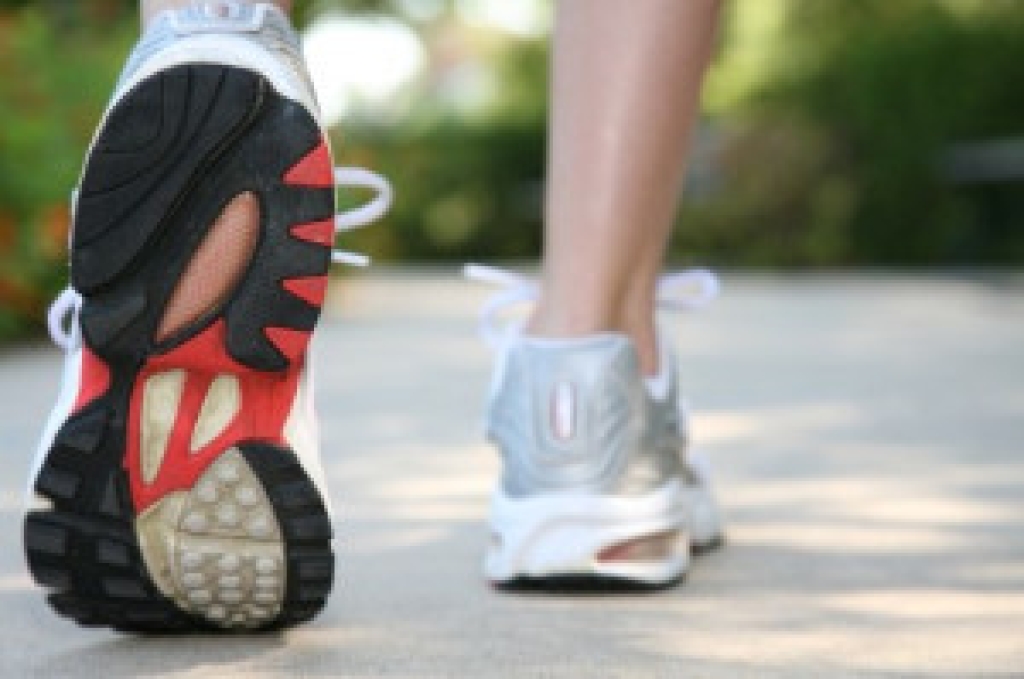
Choosing the right running shoe is essential for comfort, performance, and injury prevention. Running places repeated impact force on the feet, ankles, and lower limbs, making proper support a key factor in foot health. An important consideration is how much your foot pronates, or rolls inward, during each step. Neutral pronation allows for balanced movement, while excessive inward rolling or limited motion can lead to uneven pressure. Understanding your gait and foot structure helps guide the selection of shoes that match your needs.
Symptoms of wearing the wrong running shoes often develop gradually. Common signs include foot pain, arch discomfort, and ankle instability. Excessive pronation can lead to strain along the inner foot and ankle, while insufficient pronation may increase pressure on the outer edge. These imbalances affect how impact force is absorbed, which can contribute to overuse injuries such as plantar fasciitis or stress fractures. Paying attention to these symptoms can prevent long term damage.
Several risk factors increase the likelihood of injury when wearing improper footwear. Foot structure, including flat feet or high arches, plays a major role in how the foot handles movement and pressure. Wearing shoes that do not match your pronation type can worsen alignment issues. The main cause of discomfort is poor shock absorption and lack of support, which forces the body to compensate during movement. This can lead to a chain reaction of strain throughout the lower body.
Choosing the right running shoe involves evaluating fit, cushioning, and support. Shoes should match your foot shape and provide stability based on your level of pronation. Replacing worn shoes regularly and rotating pairs can also help reduce impact stress. If you have foot pain from wearing the wrong running shoes, it is suggested that you consult a podiatrist for effective relief tips, and additional guidance on choosing shoes for your running style.
For more information about walking shoes versus running shoes, consult with one of our podiatrists from Foothill Podiatry Clinic. Our doctors can measure your feet to determine what your needs are and help you find an appropriate pair of footwear.
Foot Health: The Differences between Walking & Running Shoes
There are great ways to stay in shape: running and walking are two great exercises to a healthy lifestyle. It is important to know that running shoes and walking shoes are not interchangeable. There is a key difference on how the feet hit the ground when someone is running or walking. This is why one should be aware that a shoe is designed differently for each activity.
You may be asking yourself what the real differences are between walking and running shoes and the answers may shock you.
Differences
Walking doesn’t involve as much stress or impact on the feet as running does. However, this doesn’t mean that you should be any less prepared. When you’re walking, you land on your heels and have your foot roll forward. This rolling motion requires additional support to the feet.
Flexibility – Walking shoes are designed to have soft, flexible soles. This allows the walker to push off easily with each step.
If you have any questions, please feel free to contact our office located in Grass Valley, CA . We offer the newest diagnostic and treatment technologies for all your foot care needs.